Blog ·
How Wood Tones Create Visual Harmony in Your Home
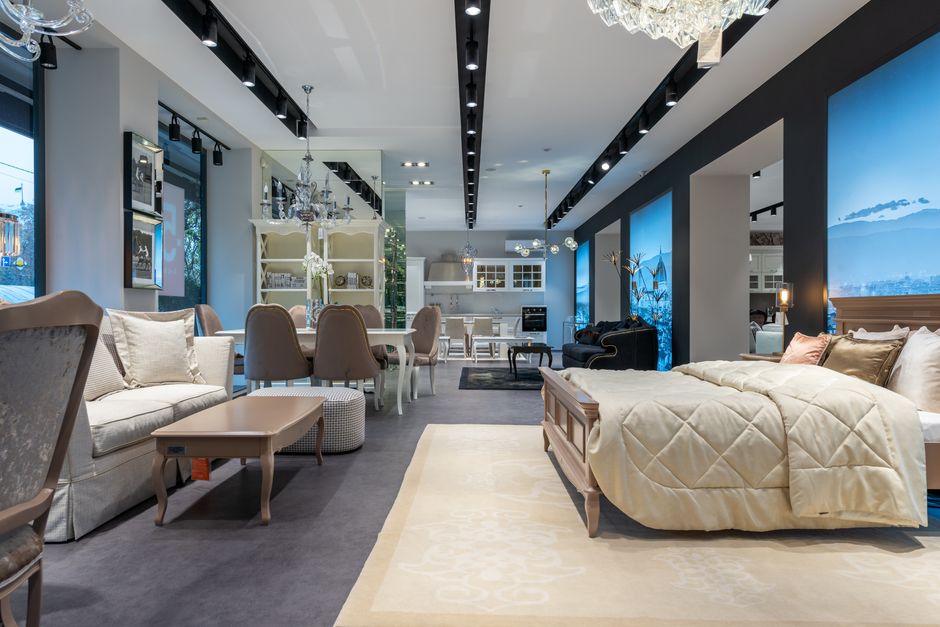
When you invest in custom furniture from Flownzeno Lab, you're making thoughtful choices about the pieces that will define your space for years to come. One of the most influential decisions you'll make involves the wood tones you select. These tones become the visual thread that either ties your room together or creates a disjointed, disconnected feeling. Let's explore how to make wood tone selections that harmonize your entire space.
Understanding Your Wood Tone Options
Wood tones exist on a spectrum ranging from pale blonde and honey hues to deep chocolate and espresso shades. Before selecting the wood for your custom dining table, bespoke case goods, or seating, spend time observing how light moves through your room at different times of day. Light-filled spaces can beautifully accommodate both light and dark woods, while rooms with limited natural light typically benefit from lighter tones that reflect available light and create an airy feeling.
Choose a Dominant Tone
Successful interiors rarely use matching wood tones throughout. Instead, consider establishing one dominant wood tone with carefully selected secondary tones. Your custom dining table might anchor the space in warm walnut, while your bespoke seating features a slightly lighter cherry tone. This layered approach creates visual interest while maintaining the cohesion you're seeking.
Understand Wood Undertones
This detail makes an enormous difference. Warm woods contain red, orange, or yellow undertones, while cool woods feature gray or blue undertones. To achieve visual harmony, select woods that share similar undertone families. Mixing warm and cool woods often creates visual confusion rather than intentional contrast. When we're designing your custom pieces, discussing undertones helps ensure every element works together.
Consider Your Secondary Materials
Wood doesn't exist in isolation. Flooring, metal hardware, upholstery colors, and wall finishes all influence how your wood selections read in the space. As you're planning custom furniture, think about how your wood choice interacts with these surrounding elements.
See Samples in Your Space
At Flownzeno Lab, we encourage you to bring flooring samples or photographs of existing furnishings when discussing your custom dining tables, seating, and case goods. Viewing wood samples in your actual space, under your room's specific lighting, is invaluable. This hands-on approach helps you make confident selections that will create the unified, beautiful space you're envisioning.
Wood tone selection might seem like a small detail, but it's actually the foundation of visual harmony in your home. By thoughtfully choosing wood tones across your custom furniture pieces, you create a sophisticated, intentional aesthetic that feels perfectly cohesive.